Castagnaccio – Traditional Tuscan Chestnut Flour Cake
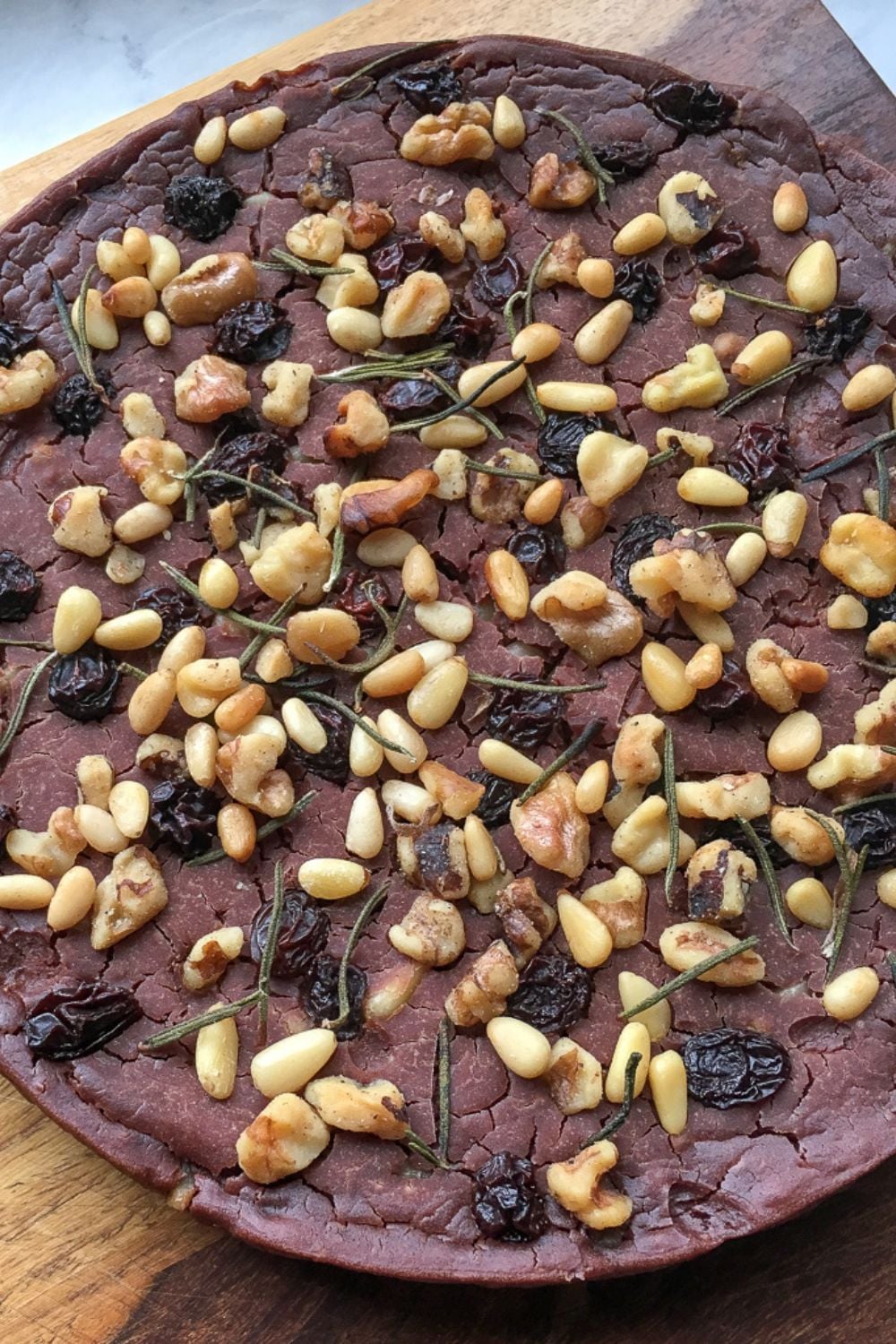
Castagnaccio is a traditional Tuscan chestnut flour cake that’s typically enjoyed in the cooler months after the chestnut harvest. It’s rustic, dense, and deeply earthy, with a flavour that’s very different from most modern cakes and desserts.
This is the kind of recipe I make when I want something simple and traditional rather than sweet and indulgent. Castagnaccio relies on chestnut flour, dried fruit, nuts, and olive oil for flavour, with just a touch of honey to soften the bitterness. It’s not a sugary dessert, but a classic Italian bake that feels hearty, comforting, and rooted in tradition.
Why You’ll Love This Recipe
- Deep, earthy flavour with natural sweetness - chestnut flour gives this cake its distinctive taste, while raisins, nuts, and a small amount of honey add gentle sweetness without overpowering it.
- Simple, traditional ingredients - this recipe uses pantry staples and follows a classic Tuscan approach, relying on olive oil, nuts, and dried fruit rather than butter or refined sugar.
- Perfect for cooler months - Castagnaccio is hearty and satisfying, making it ideal for autumn and winter when you want something rustic and comforting rather than light and sugary.
- Naturally gluten-free - made with chestnut flour instead of wheat, this cake is suitable for anyone avoiding gluten without needing special substitutions.
Ingredients
Before I walk you through the recipe for this Castagnaccio, let’s gather everything you’ll need.
You’ll find the full ingredient list with measurements and step-by-step instructions in the printable recipe card below.
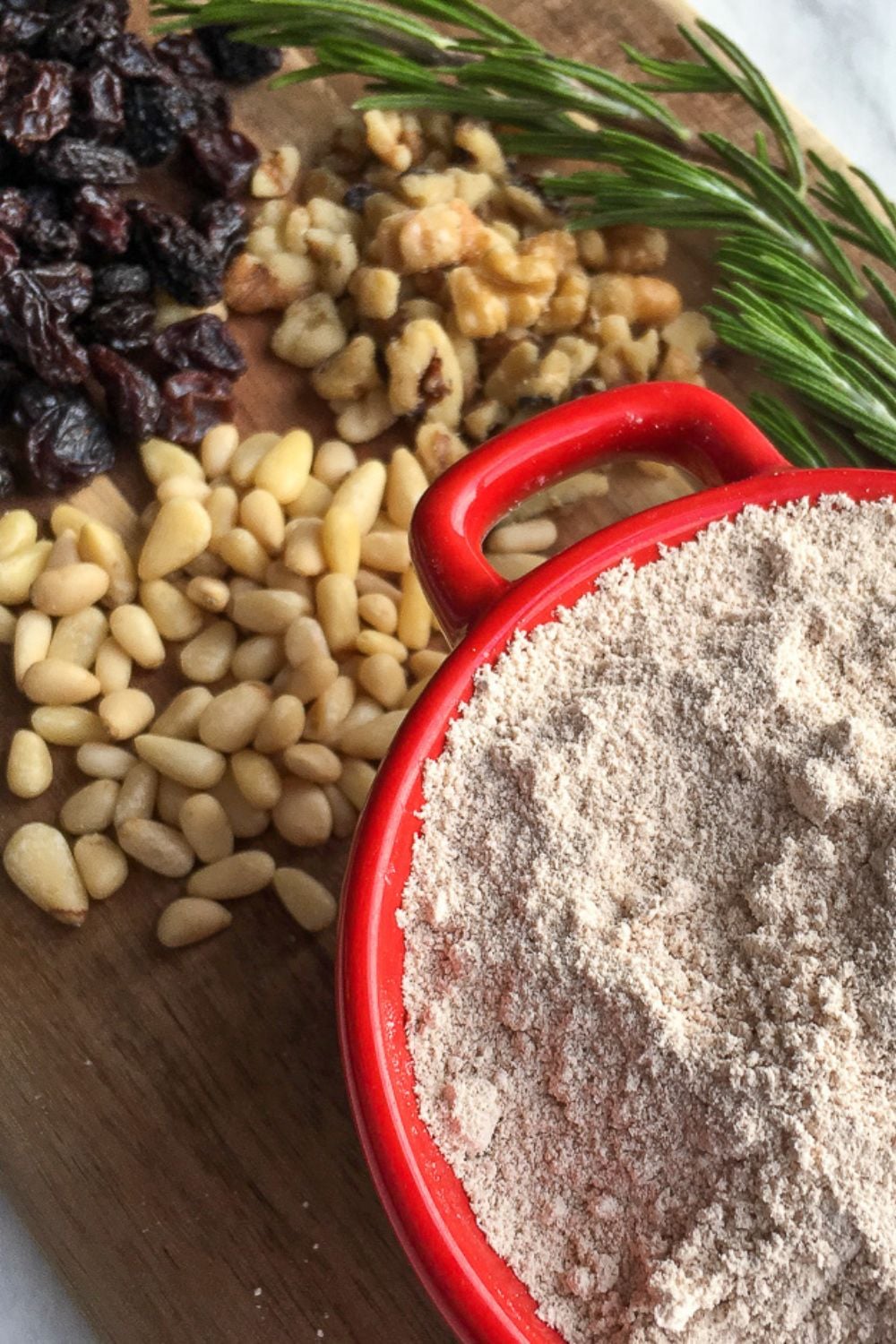
- Raisins – Add natural sweetness and balance the earthy flavour of the chestnut flour.
- Fresh rosemary – Gives a subtle, aromatic note that’s traditional in castagnaccio.
- Chestnut flour – The base of the cake, with a deep, earthy flavour and natural sweetness.
- Lukewarm water – Helps create a smooth, pourable batter.
- Honey – Optional, used sparingly to soften the bitterness of the chestnut flour.
- Extra virgin olive oil – Adds richness and keeps the cake moist.
- Walnuts – Provide texture and a mild bitterness that complements the chestnut flour.
- Pine nuts – Add a delicate crunch and traditional finish on top.
How To Make
With all of our ingredients ready, we’re set to make this Castagnaccio.
I’ll walk you through the steps below.
Soak the raisins and fresh rosemary leaves in a small bowl of lukewarm water. Set aside to soften.
Position the oven rack in the centre and preheat the oven to 350°F (180°C). Grease a 9-inch pie pan with olive oil or non-stick cooking spray and set aside.
In a large bowl, combine the sifted chestnut flour, lukewarm water, honey, and olive oil. Stir with a fork until a smooth batter forms. If the batter feels too thick, add an extra tablespoon or two of water to loosen it slightly.
Drain the raisins and rosemary leaves and pat them dry. Stir half of the raisins, walnuts, and pine nuts into the batter.
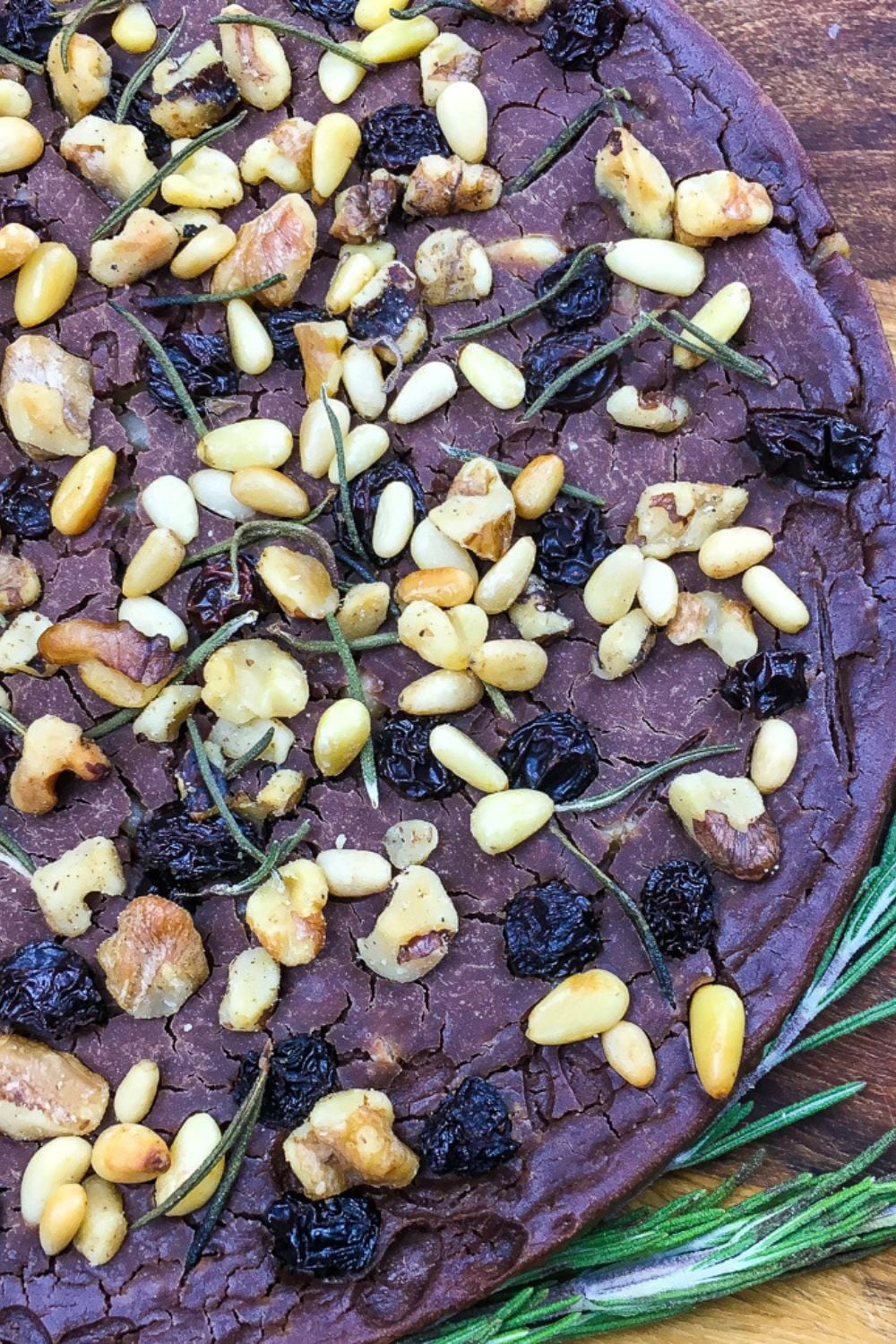
Pour the batter into the prepared pie pan and spread it evenly with a spatula. Scatter the remaining raisins, walnuts, pine nuts, and rosemary evenly over the top.
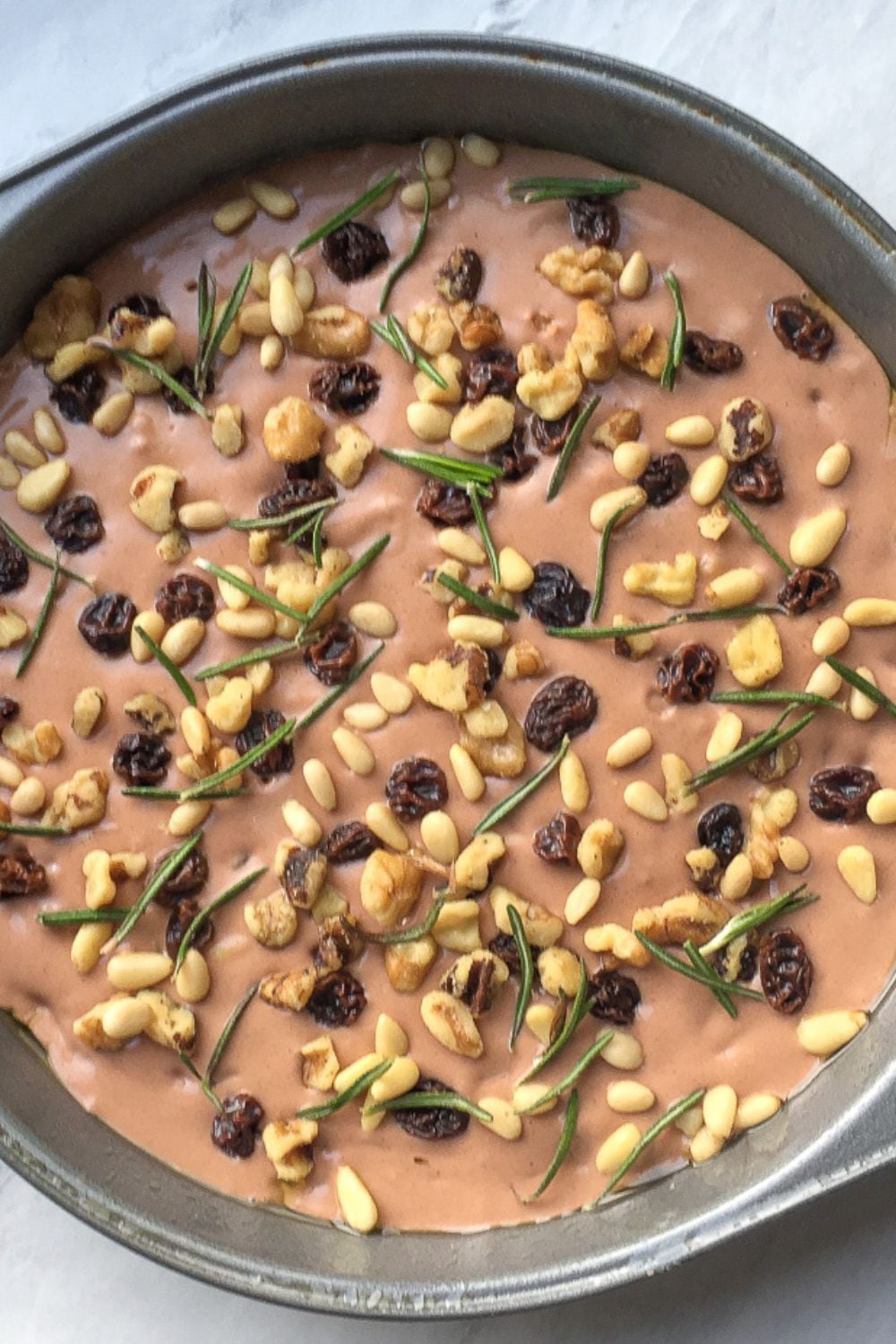
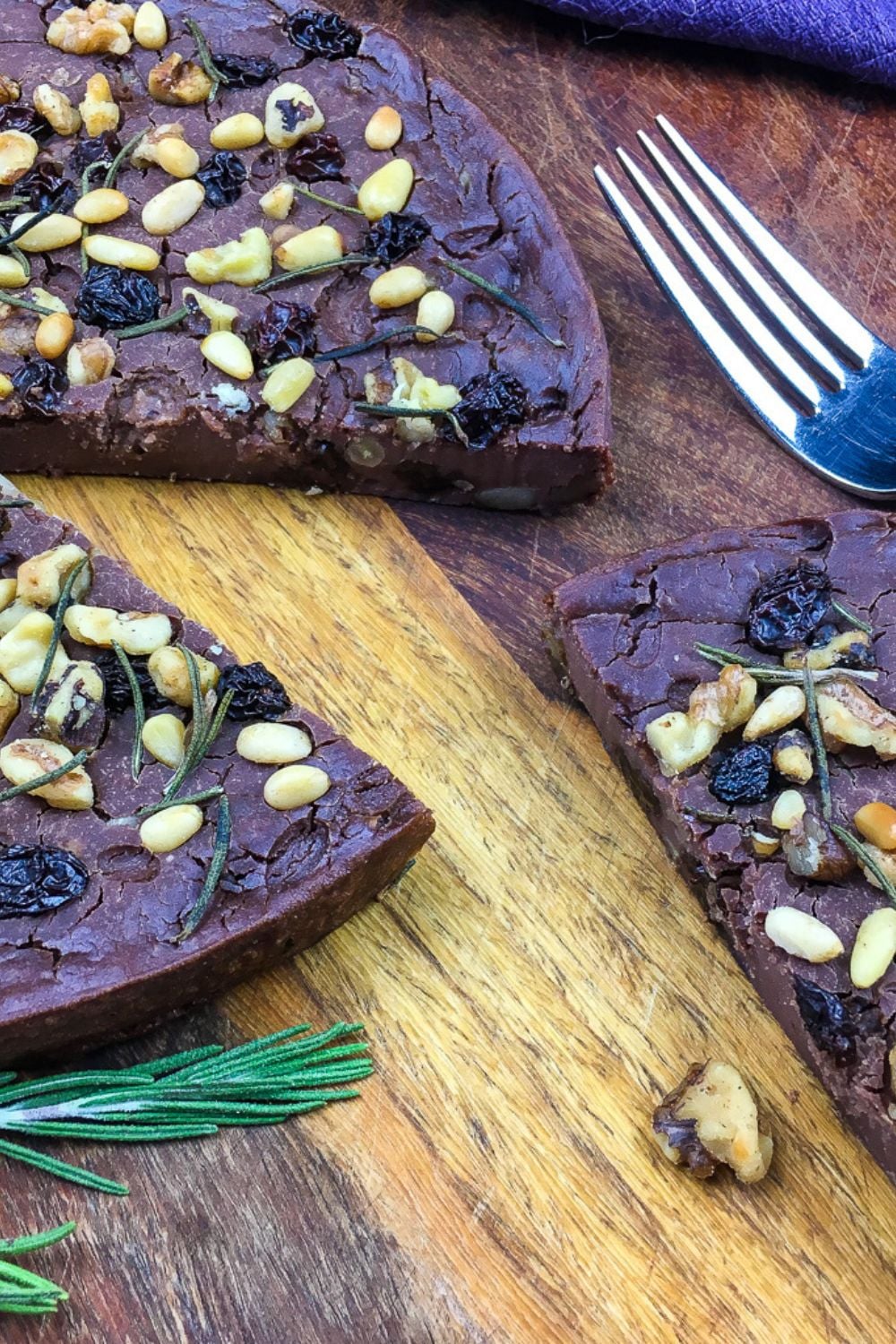
Bake for 30–35 minutes, or until the surface looks dry and begins to crack.
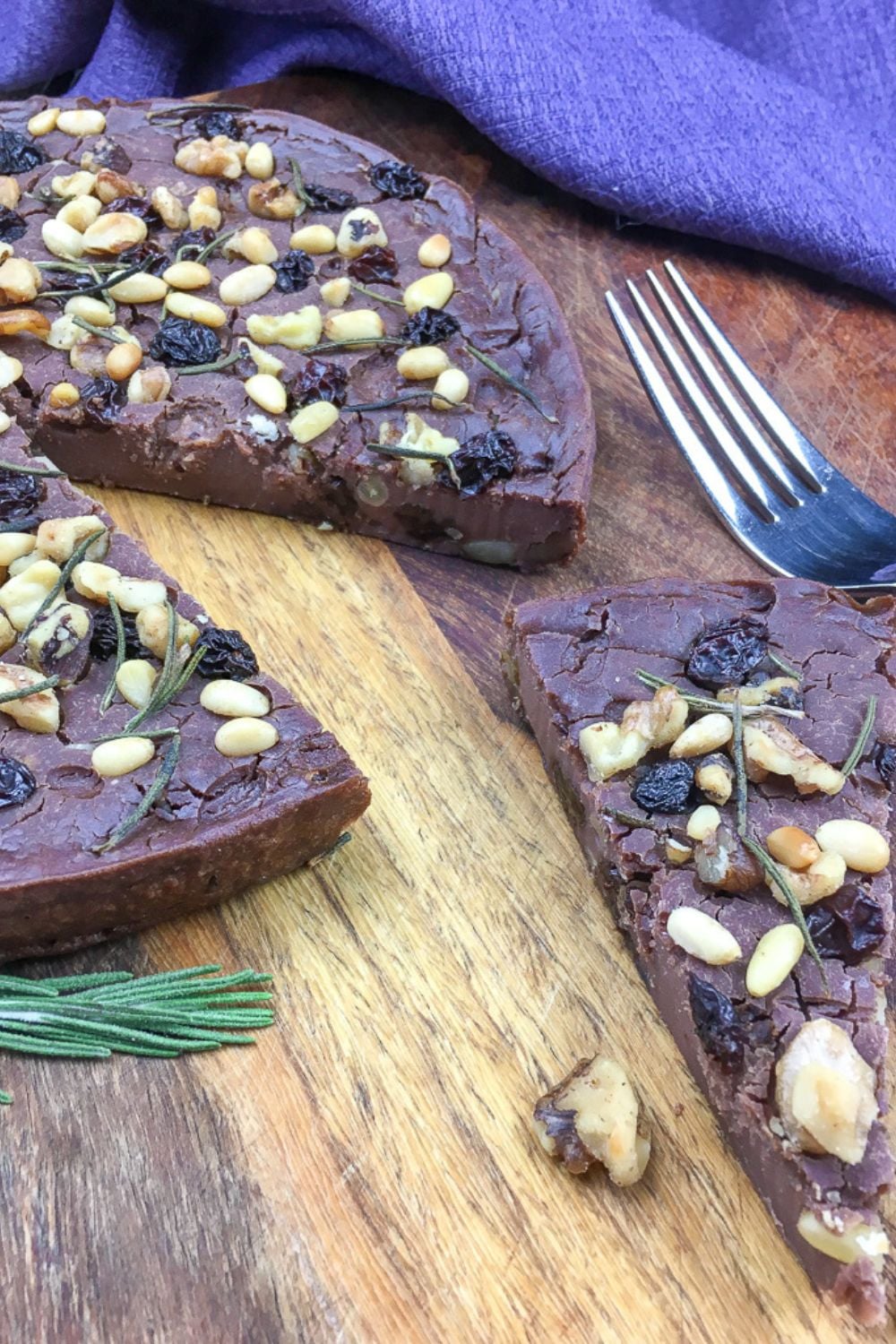
Remove from the oven and allow to cool slightly before slicing into thin pieces and serving.
Frequently Asked Questions
What does Castagnaccio taste like?
Castagnaccio has a deep, earthy flavour from the chestnut flour, with gentle sweetness from raisins and honey. It’s not sugary like a typical cake and has a slightly bitter, nutty taste balanced by rosemary, nuts, and olive oil.
Is Castagnaccio served warm or cold?
Castagnaccio is usually served at room temperature or slightly warm. Letting it cool after baking helps the flavours settle, and it’s often sliced thin and enjoyed once it has set.
How do chestnuts affect the gut?
Chestnuts are naturally high in fibre, which can support digestion and gut regularity. They’re also lower in fat than most nuts, making them easier to digest for many people. As with any high-fibre food, eating them in moderation helps avoid bloating or discomfort.
What are typical toppings for Castagnaccio?
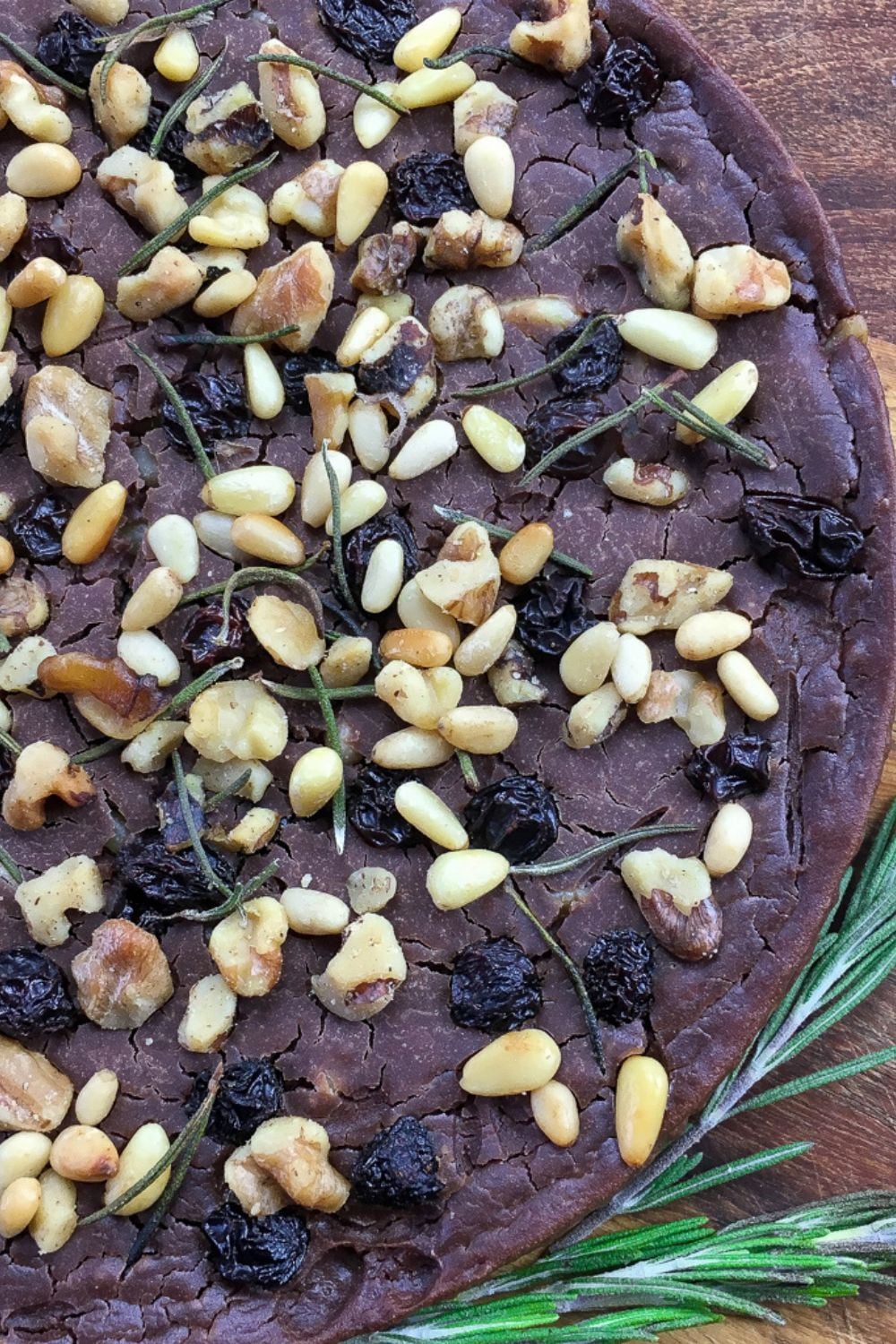
Castagnaccio is traditionally topped with raisins, pine nuts, walnuts, and fresh rosemary. Some versions also include a drizzle of olive oil before baking, keeping the cake simple and rustic rather than sweet.
More Desserts You’ll Love
- Chocolate Hazelnut Truffles
- Oatmeal Cranberry Walnut Cookies
- Cherries Jubilee
- Baked Peaches
- Chocolate Orange Mousse
I hope you’ll give my Castagnaccio a try. If you do, I’d love to know what you think. Please stop back and leave a comment and a 5-star rating below.
Want more recipes? Join my mailing list for inspiration delivered straight to your inbox! You can also follow along on Pinterest for more dessert ideas, behind-the-scenes looks, and new recipes as they’re published!
Castagnaccio
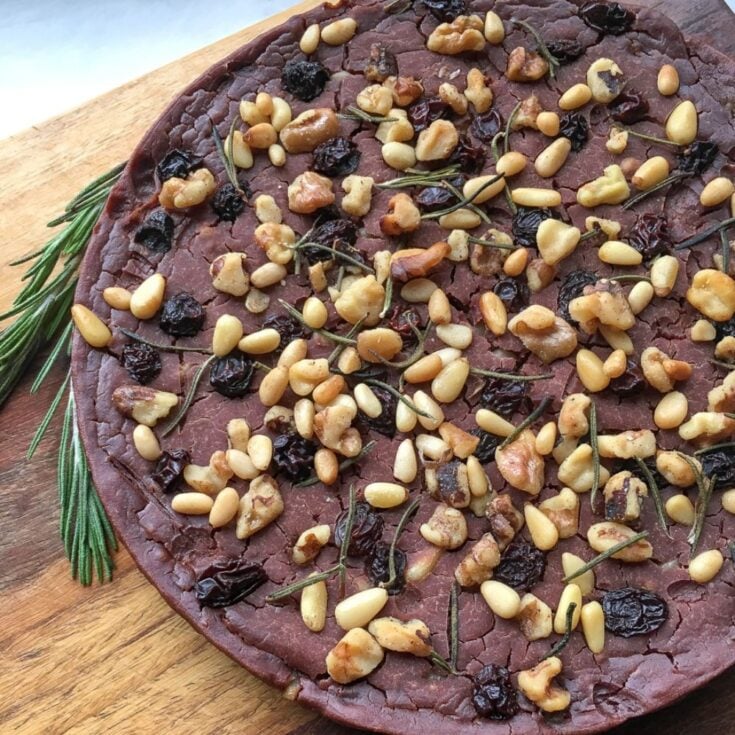
This is a traditional Tuscan chestnut flour cake I make when I want something rustic and simple. It has a deep, earthy flavour from chestnut flour, with gentle sweetness from raisins and a small amount of honey.
Ingredients
- ⅓ cup raisins, divided
- 2 tablespoons fresh rosemary leaves
- 3 cups chestnut flour, sifted
- 1⅔ cups lukewarm water
- 2 tablespoons honey (optional)
- 2 tablespoons extra virgin olive oil
- ¼ cup chopped walnuts, divided
- ¼ cup pine nuts, divided
Instructions
- Soak the raisins and rosemary leaves in a small bowl of lukewarm water. Set aside.
- Preheat the oven to 350°F (180°C). Position the oven rack in the centre and grease a 9-inch pie pan with olive oil or non-stick spray.
- In a large bowl, combine the sifted chestnut flour, lukewarm water, honey, and olive oil. Stir with a fork until a smooth batter forms. If the batter is too thick, add 1–2 tablespoons of water to loosen it slightly.
- Drain the raisins and rosemary and pat dry. Stir half of the raisins, walnuts, and pine nuts into the batter.
- Pour the batter into the prepared pie pan and spread it evenly with a spatula. Scatter the remaining raisins, walnuts, pine nuts, and rosemary evenly over the top.
- Bake for 30–35 minutes, or until the surface looks dry and begins to crack.
- Remove from the oven and allow to cool slightly before slicing into thin pieces and serving.
Notes
Chestnut flour should be sifted to remove lumps.
This cake is lightly sweet and not meant to be sugary.
Castagnaccio is best sliced thin and served warm or at room temperature.