NMN vs NAD: Key Differences and Benefits Explained
NMN is one of my favourite supplements, and is something I've often recommended in my blog posts and videos. I have had quite a few messages however asking me what the difference is between NMN and NAD, so in this post I have broken it down.
Before diving in, I should mention that the NMN supplement I personally use to support NAD+ levels is DoNotAge NMN. I chose it because it’s third-party tested for purity and produced to research-grade standards, which is important given how variable NMN quality can be.
For transparency, I’m an affiliate for DoNotAge and have been given a discount code to share with my readers. The discount code UKBEAUTY will get you 10% off all DoNotAge products.
Understanding NMN and NAD: A Brief Overview
The quest for cellular vitality has led researchers to discover two crucial molecules that govern energy production and cellular repair: NMN (Nicotinamide Mononucleotide) and NAD (Nicotinamide Adenine Dinucleotide). These compounds represent different points in a fundamental biological pathway that determines how efficiently our cells function and age.
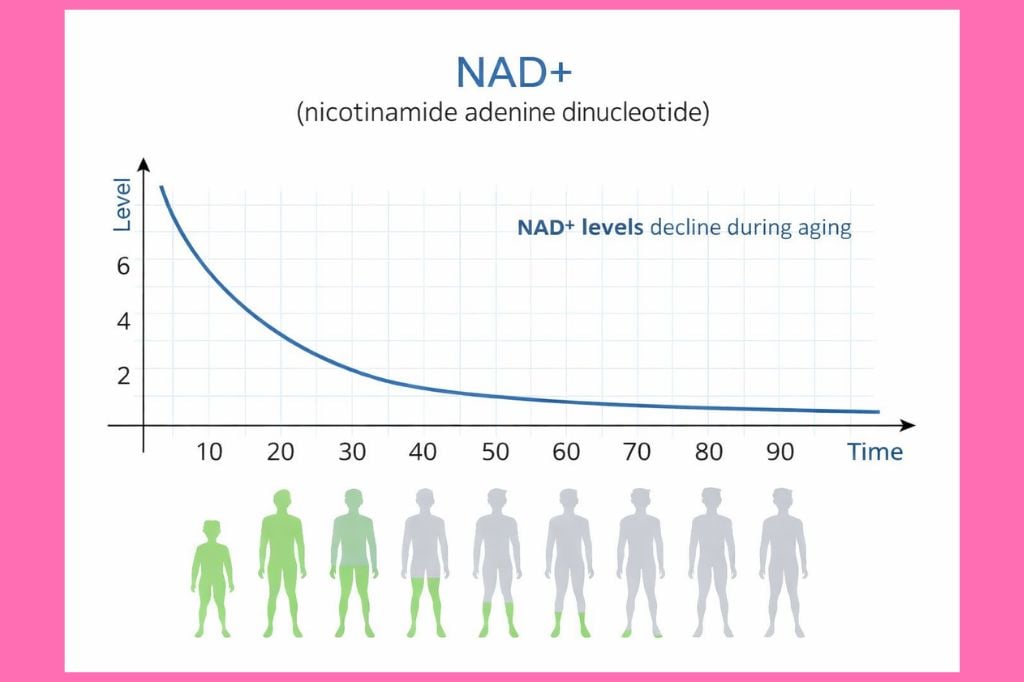
NAD serves as the cellular powerhouse, acting as a coenzyme in over 500 enzymatic reactions throughout the body. This molecule facilitates energy metabolism, DNA repair, and cellular communication processes that keep our bodies functioning optimally. However, NAD levels naturally decline with age - dropping by approximately 50% every 20 years after age 40.
NMN functions as a direct precursor to NAD, meaning the body converts NMN into NAD through specific enzymatic pathways. This relationship has sparked significant interest in NMN supplementation as a potential method for restoring declining NAD levels and supporting healthy ageing processes.
The distinction between these molecules extends beyond their basic definitions to encompass their bioavailability, absorption mechanisms, and therapeutic applications. Understanding their molecular differences reveals why choosing between NMN supplementation and direct NAD support requires careful consideration of individual health goals and biological factors.
Molecular Structure and Function: How NMN and NAD Differ
At the molecular level, NMN and NAD represent different stages in the same biological pathway, each with distinct structural characteristics that determine their cellular roles. NMN functions as a precursor molecule - a building block that cells convert into the active coenzyme NAD.
The structural difference is significant: NMN contains a phosphate group that makes it larger, more complex than some other NAD precursors, and yet this very complexity may influence how effectively it crosses cellular membranes. Research comparing NAD+ precursors demonstrates that molecular size and structure directly impact cellular uptake mechanisms. NAD itself exists in two primary forms within cells: NAD+ (oxidised) and NADH (reduced). This dual nature allows NAD to act as an electron carrier, facilitating the energy transfer processes that power cellular metabolism. The molecule participates in over 400 enzymatic reactions, making it indispensable for cellular function.
Understanding these structural differences becomes crucial when considering supplementation strategies, as the molecular architecture of each compound influences how efficiently it can be absorbed and utilised by the body's cells.
Absorption and Bioavailability: Which is More Effective?
When examining NMN vs NAD supplementation, absorption and bioavailability present markedly different challenges. Direct NAD supplementation faces significant obstacles due to the molecule's large size and charged nature, which severely limits its ability to cross cellular membranes. Research indicates that oral NAD supplements demonstrate poor bioavailability, with most of the molecule being broken down in the digestive system before reaching target cells.
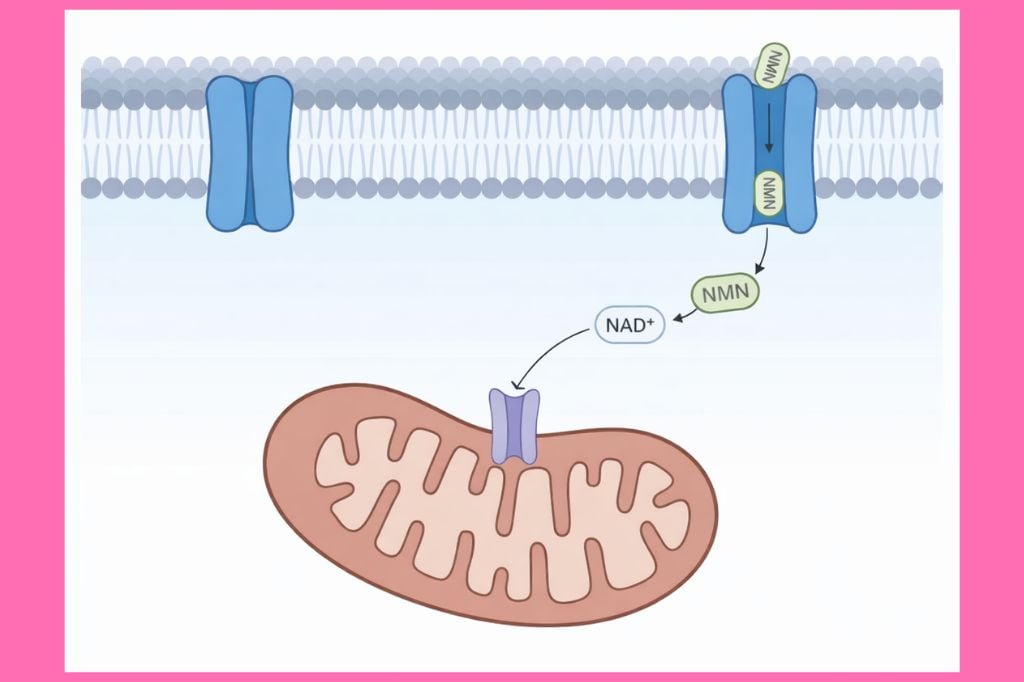
NMN demonstrates superior absorption characteristics compared to direct NAD supplementation. Studies suggest that NMN can be absorbed intact through specific transporters, allowing it to enter cells where it's efficiently converted to NAD through the salvage pathway. This process bypasses many of the absorption limitations that plague direct NAD supplementation.
However, bioavailability remains a consideration even with NMN. Research comparing NAD precursors shows that absorption rates can vary significantly based on factors including dosage timing, formulation, and individual metabolic differences. The key advantage lies in NMN's ability to reach intracellular spaces where NAD synthesis actually occurs, making it a more practical approach for boosting cellular NAD levels than attempting direct supplementation.
I personally use DoNotAge NMN, which is third-party tested for purity and formulated specifically to support effective NAD+ conversion. With NMN, consistency and bioavailability are key, and this is one of the reasons I recommend DoNotAge over cheaper, unverified alternatives.
Health Benefits and Applications
Both NMN and NAD share fundamental health applications rooted in cellular energy metabolism, though their practical implementation differs significantly. As each serves as a NAD precursor through different pathways, understanding their distinct therapeutic profiles helps clarify their respective roles in health optimisation.
NMN supplementation primarily targets age-related cellular decline, with research suggesting benefits for metabolic health, cardiovascular function, and cognitive performance. The compound's ability to readily convert to NAD+ makes it particularly valuable for supporting mitochondrial efficiency and DNA repair mechanisms.
Direct NAD administration, whilst less common in oral supplementation, finds application in clinical settings for acute cellular support. However, its limited bioavailability when taken orally restricts practical applications compared to precursor compounds.
Both compounds demonstrate promise in addressing metabolic dysfunction, with studies indicating improved insulin sensitivity and enhanced cellular energy production. The key differentiator lies in delivery method effectiveness rather than fundamental therapeutic potential.
Given these overlapping yet distinct applications, the choice between NMN and NAD supplementation often comes down to practical considerations of absorption, dosing convenience, and individual metabolic requirements.
Is It Better to Take NAD or NMN?
The choice between NAD and NMN supplementation ultimately hinges on individual circumstances and health objectives. For most individuals seeking to elevate NAD levels, NMN emerges as the more practical option due to its superior bioavailability and established safety profile in human studies.
NMN's advantages include better cellular uptake through dedicated transporters and a growing body of clinical research supporting its efficacy. The supplement bypasses many of the molecular barriers that direct NAD supplementation faces, making it a more reliable choice for consistent results.
Direct NAD supplementation may suit individuals with specific therapeutic needs under medical supervision, particularly those requiring immediate intervention for severe NAD depletion. However, the absorption challenges and potential gastrointestinal side effects limit its practical application for general wellness purposes.
Consider your primary health goals: anti-ageing benefits typically favour NMN, whilst acute metabolic support might warrant direct NAD under professional guidance. The timing also matters—NMN works best as a long-term investment in cellular health, whereas NAD offers more immediate but temporary effects.
Budget considerations play a role too, as quality NMN supplements generally provide better value per effective dose than NAD alternatives. However, individual tolerance and response can vary significantly, making consultation with healthcare providers essential before making your final decision.
Who Should Avoid NMN and NAD Supplements?
Whilst NMN supplements and direct NAD supplementation offer promising health benefits, certain populations should exercise caution or avoid these compounds entirely. Pregnant and breastfeeding women should refrain from NMN supplement use, as insufficient research exists regarding foetal and infant safety profiles.
Individuals with cancer history require particular vigilance, as enhanced cellular energy metabolism could theoretically support both healthy and malignant cell growth. This concern extends to those with active autoimmune conditions, where increased cellular activity might exacerbate inflammatory responses.
People taking blood pressure medications should consult healthcare providers before beginning supplementation, as NAD precursors may influence cardiovascular function. Those with diabetes must monitor blood glucose levels closely, since these supplements can affect cellular glucose metabolism.
Children and adolescents should avoid these supplements unless under strict medical supervision, as their developing systems naturally maintain optimal NAD levels. Additionally, individuals with severe kidney or liver disease should exercise extreme caution, as these organs process and eliminate supplement metabolites.
The prudent approach involves consulting qualified healthcare professionals before beginning any NAD enhancement regimen, particularly for those with existing health conditions.
Comparison: NMN vs NAD – Which One Suits Your Needs?
Selecting between NMN and direct NAD supplements requires careful consideration of your specific health objectives and current circumstances. For individuals seeking gradual, sustained NAD supplementation, NMN typically proves more suitable due to its superior bioavailability and cellular uptake mechanisms. The precursor molecule allows for natural conversion within cells, mimicking your body's intrinsic pathways.
Direct NAD supplementation, whilst offering immediate availability, faces significant absorption challenges in oral forms. However, intravenous administration bypasses these limitations, making it ideal for acute interventions or therapeutic protocols under medical supervision. Research indicates that NAD+ levels can increase substantially following direct infusion, though effects may be shorter-lived than precursor approaches.
Your age significantly influences optimal choice: younger individuals often benefit from NMN's preventative approach, whilst older adults with more pronounced NAD depletion might require the immediate impact of direct supplementation. Consider your budget as well—NMN supplements typically cost less than clinical NAD therapies.
The decision ultimately depends on whether you prioritise long-term cellular health maintenance or require rapid intervention for specific health concerns, setting the stage for understanding potential limitations in both approaches.
Limitations and Considerations When Choosing NMN or NAD
Both NMN and direct NAD supplementation present specific limitations that warrant careful consideration before making your selection. Understanding these constraints helps set realistic expectations and guides appropriate usage patterns.
Bioavailability remains a primary concern across both supplement categories. Direct NAD supplements face significant absorption challenges due to the molecule's large size and instability in the digestive system. Research indicates that oral NAD may break down substantially before reaching target tissues, potentially limiting its effectiveness.
NMN supplements encounter their own bioavailability hurdles. While smaller than NAD molecules, NMN must still convert to NAD+ within cells, and this conversion process can vary significantly between individuals based on genetic factors, age, and overall metabolic health.
Cost considerations also influence supplement choice. Premium NMN formulations often command higher prices than basic NAD supplements, though price alone doesn't guarantee superior efficacy. Additionally, both supplement types require consistent, long-term use to potentially deliver meaningful benefits, making ongoing expense a practical factor.
Quality control varies dramatically across manufacturers, with some products containing suboptimal purity levels or inconsistent dosing. This variability makes identifying reliable, effective formulations particularly crucial for achieving desired outcomes.
Best NMN and NAD+ Supplements
When selecting quality NMN or NAD+ supplements, several critical factors distinguish premium products from substandard options. Research indicates that bioavailability varies significantly between different formulations, making supplement quality paramount for achieving desired results.
Key quality indicators include third-party testing for purity, proper storage conditions to prevent degradation, and transparent dosing information. Leading NMN supplements typically contain 250-500mg per serving, whilst NAD+ formulations often require specialised delivery systems to enhance absorption. Manufacturing standards play a crucial role in supplement effectiveness. Products manufactured in GMP-certified facilities with detailed certificates of analysis demonstrate superior quality control. Additionally, NMN's molecular stability requires specific packaging considerations to prevent oxidation and maintain potency.
Price shouldn't be the primary consideration when choosing between options. Premium supplements investing in proper research, testing, and formulation often deliver measurably better results than budget alternatives. The supplement landscape continues evolving rapidly, with new delivery methods and formulations regularly emerging.
These quality considerations become particularly relevant when evaluating specific scenarios for NMN versus NAD+ selection.
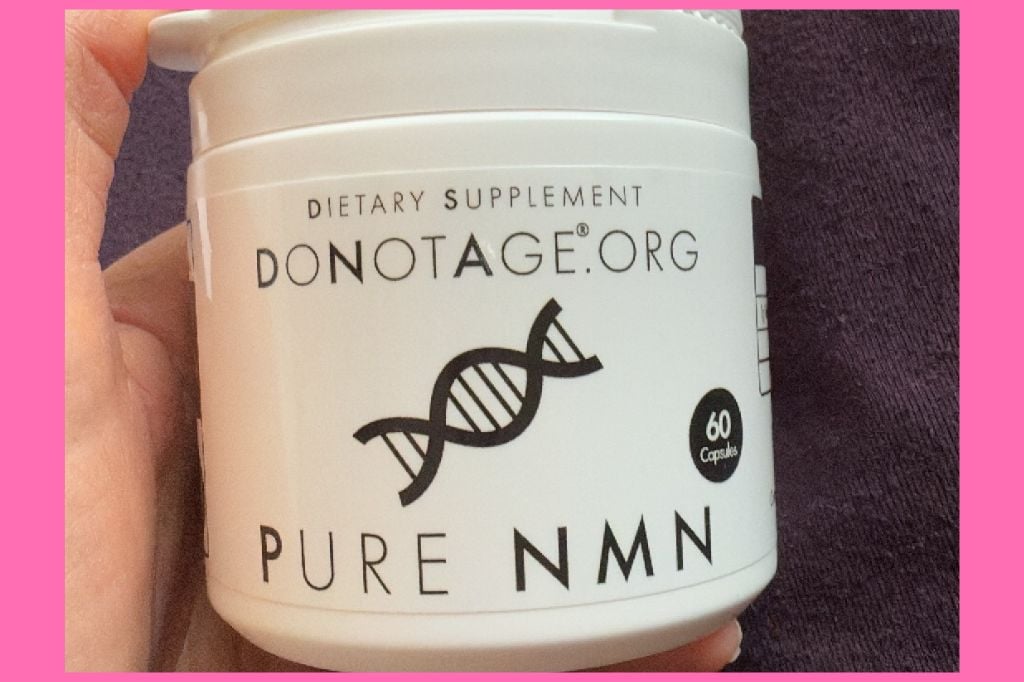
If you’re looking for a high-quality NMN supplement, DoNotAge NMN is the one I recommend. It provides a clinically relevant dose, is independently tested for purity, and is produced by a longevity-focused company that specialises in NAD+ science rather than general supplements.
Example Scenarios: Choosing between NMN and NAD
Consider Mark, a 45-year-old professional experiencing afternoon energy dips and concerned about cognitive decline. With his budget allowing for premium supplementation and preference for convenient dosing, NMN emerges as the logical choice. The superior bioavailability and established research backing make it suitable for his long-term wellness goals.
In cases like this, I usually suggest NMN over NAD+, and specifically a clean, well-tested option such as DoNotAge NMN, which is designed for long-term daily use.
Contrast this with Sarah, a 60-year-old retiree managing a fixed income whilst seeking basic NAD+ support for healthy ageing. Direct NAD supplementation offers a more budget-friendly approach, though she'll need to accept potentially slower absorption, and may require divided doses throughout the day. Athletes often gravitate towards NMN due to its rapid cellular uptake, supporting energy metabolism during training phases. Research suggests younger individuals (under 40) may experience more pronounced benefits from NMN's efficient conversion pathway, whilst older adults might find either option beneficial given their naturally declining NAD+ levels.
Budget-conscious consumers seeking foundational NAD+ support typically find direct NAD supplementation adequate, particularly when combined with lifestyle factors like regular exercise and quality sleep that naturally support cellular energy production.
These scenarios highlight how personal circumstances, financial considerations, and health objectives ultimately determine which supplement aligns best with individual needs and expectations.
Frequently Asked Questions about NMN and NAD
Can I take NMN and NAD+ supplements together?
Yes, combining NMN and NAD+ supplements is generally safe, though it may not provide additional benefits. Since NMN converts to NAD+ in the body, taking both essentially provides the same end result through different pathways. Most practitioners recommend choosing one approach rather than stacking both supplements.
How long does it take to see results from NAD+ precursors?
Initial energy improvements may appear within 2-4 weeks of consistent supplementation. However, more significant cellular benefits typically require 8-12 weeks of regular use. Research indicates that NAD+ levels can increase measurably within the first month of supplementation.
Are there any side effects to consider?
Most users tolerate NMN and NAD+ supplements well. Mild digestive discomfort occasionally occurs when starting supplementation, particularly on an empty stomach. Some individuals report slight flushing—a harmless reaction from increased circulation.
Which form is more cost-effective long-term?
NMN supplements typically offer better value per dose compared to direct NAD+ products, despite higher upfront costs. The enhanced bioavailability means smaller doses achieve similar cellular NAD+ increases, making NMN more economical for sustained use.
Key Takeaways
Understanding the fundamental differences between NMN and NAD+ empowers you to make informed decisions about cellular health supplementation. NMN serves as a precursor that your body converts into NAD+, whilst direct NAD+ supplementation provides the coenzyme immediately but faces significant bioavailability challenges.
The choice between these compounds depends on your specific circumstances. NMN typically offers superior absorption, steady NAD+ elevation, and making it suitable for those seeking consistent cellular energy support. Direct NAD+ supplementation may benefit individuals with severe deficiencies or those requiring immediate intervention, despite its higher cost and absorption limitations. Budget considerations play a crucial role in long-term supplementation success. NMN generally provides better value through sustained bioavailability, whereas NAD+ supplements require larger doses to achieve similar effects. Quality sourcing remains paramount regardless of your choice—third-party testing and reputable manufacturers ensure product purity and potency.
Most importantly, neither supplement replaces fundamental lifestyle factors that naturally support NAD+ production. Regular exercise, adequate sleep, and balanced nutrition form the foundation of cellular health. Supplements serve as valuable adjuncts to, not replacements for, these evidence-based wellness practices.
The decision ultimately rests on balancing efficacy, cost, and personal health objectives within a comprehensive approach to longevity.
Is it better to take NAD or NMN?
NMN emerges as the more practical choice for most individuals seeking to boost cellular NAD+ levels. Whilst direct NAD+ supplementation might seem logical, the reality of supplement bioavailability favours the precursor approach.
The molecular size difference proves crucial here. NAD+ molecules are too large to efficiently cross cell membranes, limiting their absorption when taken orally. Research indicates that NAD+ supplements face significant bioavailability challenges, with much of the compound breaking down before reaching target cells.
NMN's smaller molecular structure allows superior cellular uptake, enabling your body's natural conversion pathways to function optimally. Studies suggest that NMN supplementation more effectively raises intracellular NAD+ levels compared to direct NAD+ administration.
However, individual responses vary considerably. Factors including age, metabolic health, and existing NAD+ levels influence effectiveness. Some individuals may benefit from sublingual NAD+ formulations that bypass digestive breakdown, though these typically command higher prices. The cost-effectiveness equation also favours NMN, as direct NAD+ supplements often require larger doses to achieve comparable results. This consideration becomes particularly relevant for long-term supplementation protocols, where budget constraints may influence adherence to beneficial regimens.
Who should not take NMN?
Whilst NMN supplementation shows promise for many individuals, certain groups should exercise caution or avoid NMN entirely due to potential contraindications and safety concerns.
Pregnant and breastfeeding women should avoid NMN supplements, as comprehensive safety data for these populations remains insufficient. The developing foetus and nursing infants may be particularly sensitive to changes in cellular metabolism pathways.
Individuals with active cancer diagnoses warrant special consideration, as enhanced cellular energy production could theoretically accelerate tumour growth. Cancer cells often exhibit altered NAD+ metabolism, making supplementation potentially counterproductive.
People taking blood-thinning medications should consult healthcare providers before starting NMN, as some research suggests potential interactions with anticoagulant therapies. Similarly, those with kidney or liver disease may struggle to process NMN metabolites effectively.
Children and adolescents should avoid NMN supplementation unless specifically recommended by a paediatric specialist, as their natural NAD+ production typically remains robust.
A fundamental principle applies: anyone with chronic medical conditions or taking prescription medications should seek professional medical advice before beginning NMN supplementation. This becomes increasingly relevant when considering the broader landscape of NAD+ precursors and their distinct characteristics.
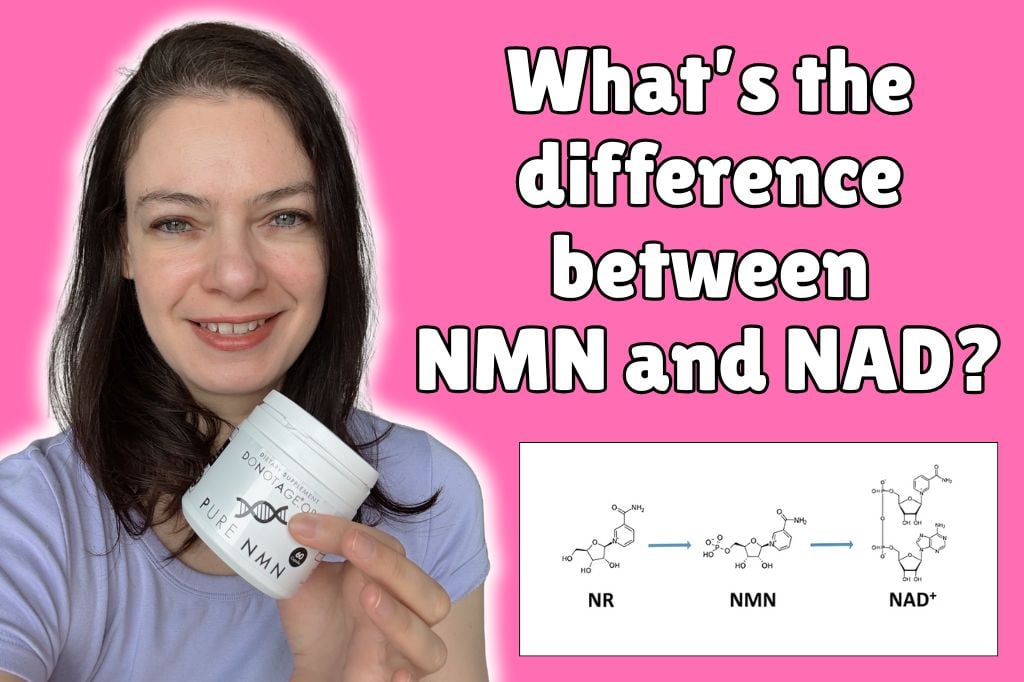
What's the difference between NAD, NR and NMN?
Understanding the distinctions between NAD, NR (nicotinamide riboside), and NMN helps clarify why each compound serves different purposes in cellular metabolism. These three molecules represent different stages in the NAD+ biosynthesis pathway, each with unique characteristics and bioavailability profiles.
NAD (nicotinamide adenine dinucleotide) exists as the final product—the actual coenzyme that cells utilise for energy metabolism and cellular repair. However, NAD molecules are too large to effectively cross cell membranes when taken orally, making direct supplementation largely ineffective.
NR and NMN function as precursors that cells can convert into NAD+. NR is smaller and more stable, whilst NMN sits one step closer to NAD+ in the conversion pathway. Research suggests NMN may offer superior bioavailability compared to direct NAD supplementation, though both precursors require cellular transport mechanisms.
The key difference lies in molecular size and conversion efficiency. NMN bypasses certain metabolic steps that NR must undergo, potentially offering more direct NAD+ replenishment. However, individual responses vary significantly based on cellular transport capacity and metabolic health.
This understanding naturally leads to examining community discussions about practical supplementation choices between these compounds.
Why take NMN instead of NAD?
Direct NAD supplementation faces significant bioavailability challenges that make NMN a more practical choice for boosting cellular NAD levels. The fundamental issue lies in NAD's molecular structure and size.
NAD molecules are too large to efficiently cross cell membranes when taken orally. This poor absorption means that despite NAD being the end goal, taking it directly proves largely ineffective. The digestive system breaks down much of the NAD before it reaches target cells, resulting in minimal therapeutic benefit.
NMN serves as a more efficient precursor pathway because it can enter cells more readily and convert to NAD through established enzymatic processes. Research indicates that NMN supplementation can effectively raise NAD levels where direct NAD supplementation often fails.
The conversion efficiency represents another key advantage. NMN requires fewer enzymatic steps to become NAD compared to other precursors, potentially making the process more streamlined and reliable within cellular metabolism.
Additionally, NMN supplements typically offer better stability, shelf life compared to NAD formulations, and which can degrade more rapidly due to their complex molecular structure. This fundamental difference in bioavailability and cellular uptake explains why NAD supplements often focus on precursor compounds rather than NAD itself, leading to important considerations about what exactly constitutes an effective NAD supplement.
What exactly is an NAD supplement, and what does it do?
NAD supplements represent a category of nutritional products designed to support cellular energy production by increasing NAD+ levels in the body. Rather than containing NAD+ directly, these supplements typically provide NAD+ precursors - compounds that cells can convert into active NAD+ through various metabolic pathways.
The primary function of NAD supplements centres on supporting mitochondrial health and cellular metabolism. As NAD+ levels naturally decline with age, these supplements aim to replenish this crucial coenzyme that facilitates energy production in every cell. Research indicates that NAD+ plays essential roles in DNA repair, gene expression regulation, and maintaining healthy cellular function.
Most NAD supplements contain precursors like NMN, NR, and or nicotinic acid rather than pure NAD+. This approach proves more effective because NAD+ itself breaks down rapidly in the digestive system, making direct supplementation largely ineffective. Precursor compounds bypass this limitation by providing the building blocks cells need to synthesise NAD+ internally. The supplements target multiple biological processes, including energy metabolism, circadian rhythm regulation, and cellular repair mechanisms. However, the effectiveness varies significantly depending on the specific precursor used, dosage, and individual factors. With this understanding of NAD supplements' mechanism and purpose, selecting the most effective formulation becomes crucial for achieving optimal results.
Best NMN and NAD+ Supplements
When selecting NAD+ boosting supplements, quality and bioavailability should be your primary considerations rather than choosing between direct NAD supplementation and precursor approaches. The evidence consistently demonstrates that NMN supplements offer superior cellular uptake compared to direct NAD products, making them the preferred choice for most individuals seeking to enhance their NAD+ levels.
Look for third-party tested NMN supplements that provide transparent dosage information, typically ranging from 250-500mg daily. Quality manufacturers will specify their NMN's purity levels and storage requirements, as this molecule can be sensitive to heat and light. Avoid supplements making unrealistic claims about immediate energy boosts or anti-aging miracles.
Consider your specific health goals when choosing dosage and timing. Research suggests that consistent daily supplementation yields better results than sporadic high doses, with many users reporting optimal benefits when taking NMN on an empty stomach in the morning.
The supplement landscape continues evolving as our understanding of NAD+ metabolism deepens. Rather than seeking the "perfect" supplement, focus on established brands with transparent testing protocols and consult healthcare professionals, particularly if you have underlying health conditions or take medications that might interact with NAD+ precursors.